Smart Solar + Battery Power for an Amherst Home

Project Overview
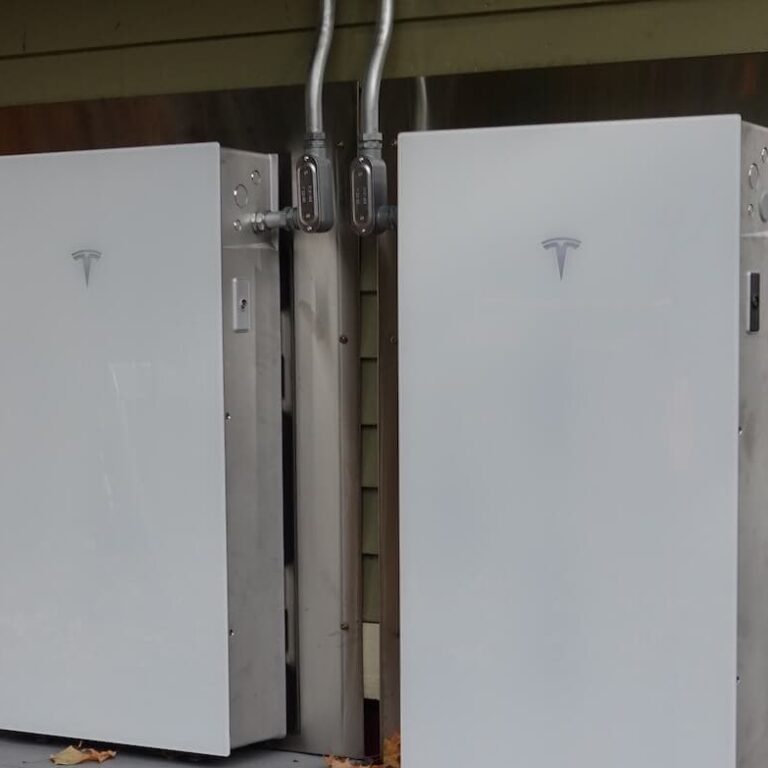
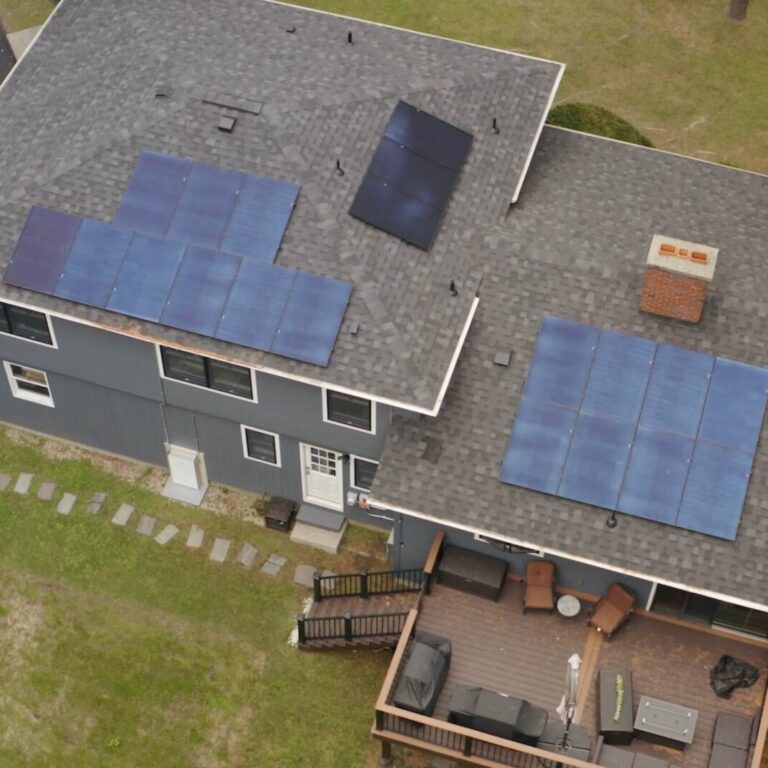
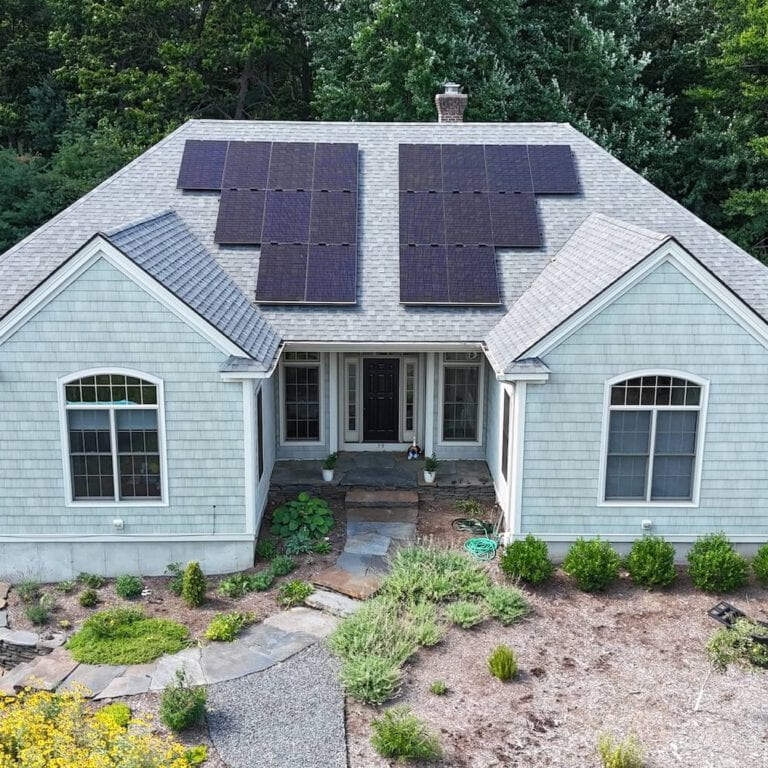
This project combined Tesla Powerwall 3 storage with REC high-efficiency panels, providing both whole-home backup power and long-term energy savings. Despite unique roof conditions and upcoming exterior renovations, Valley Solar engineered a flexible design that integrates seamlessly with future siding updates and electric vehicle charging.
The system now produces about 6,726 kWh per year, helping offset utility costs while providing peace of mind with Tesla’s integrated battery technology.
Customer Goals
The homeowner’s goals focused on reliability, flexibility, and a forward-thinking energy setup.
Whole-home backup
Maintain power for all circuits, including AC, EV charging, and greenhouse equipment.
Long-term savings
Reduce reliance on Eversource while maximizing solar production.
Smart, flexible design
Coordinate system installation with future siding and meter relocation plans.
Efficient EV integration
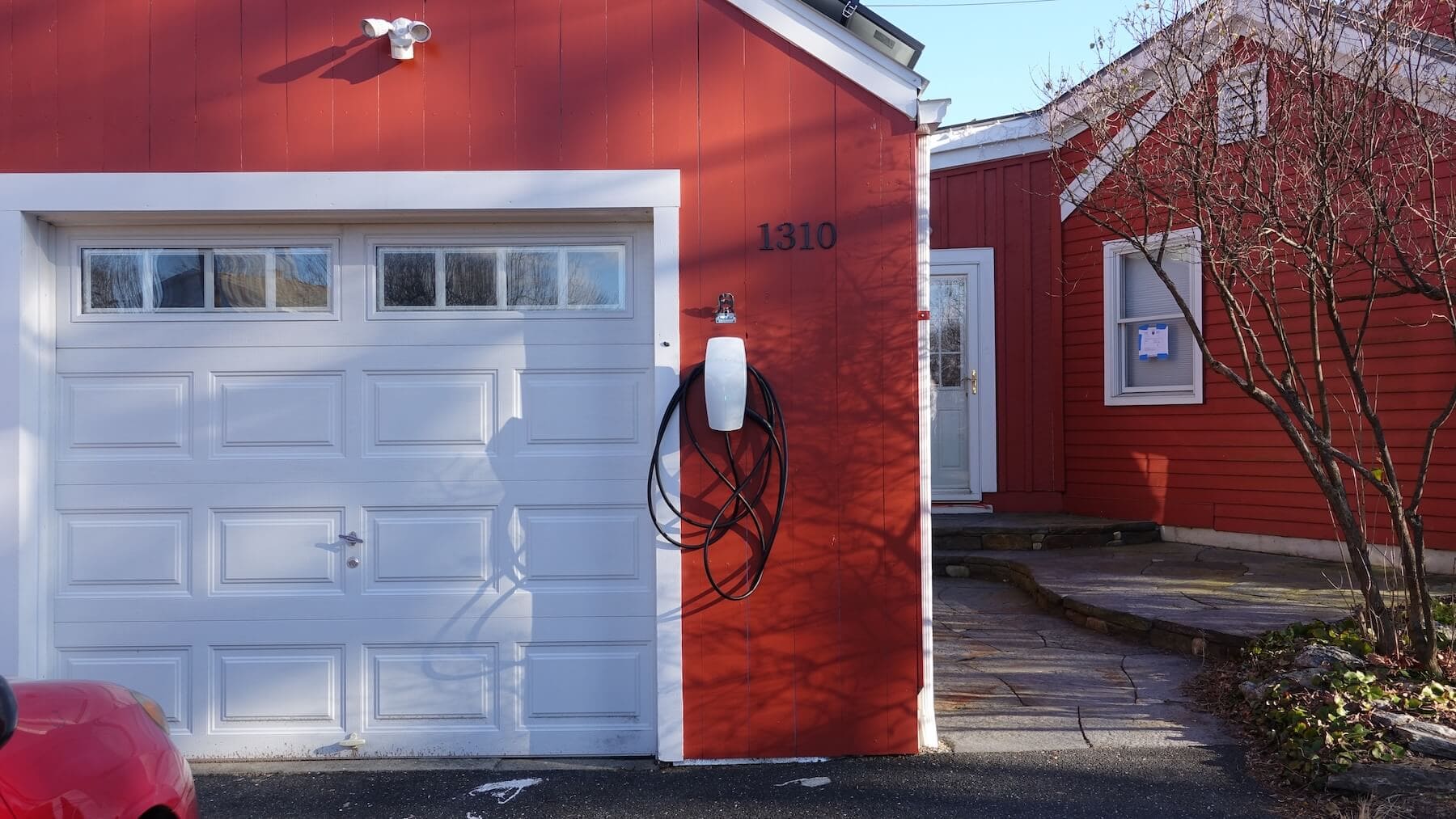
Add a new Tesla Wall Connector for Level 2 charging.
Valley Solar Solution
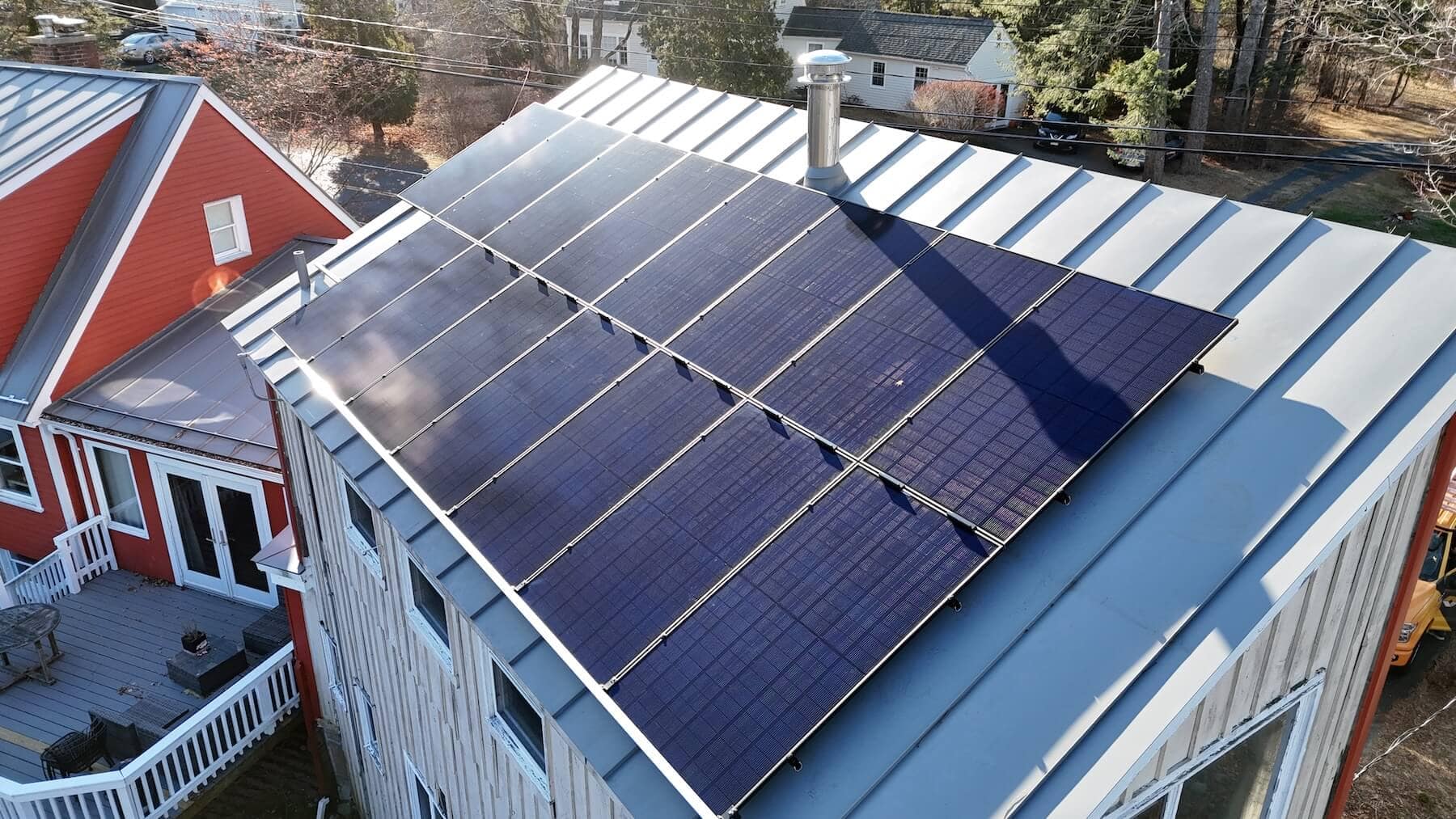
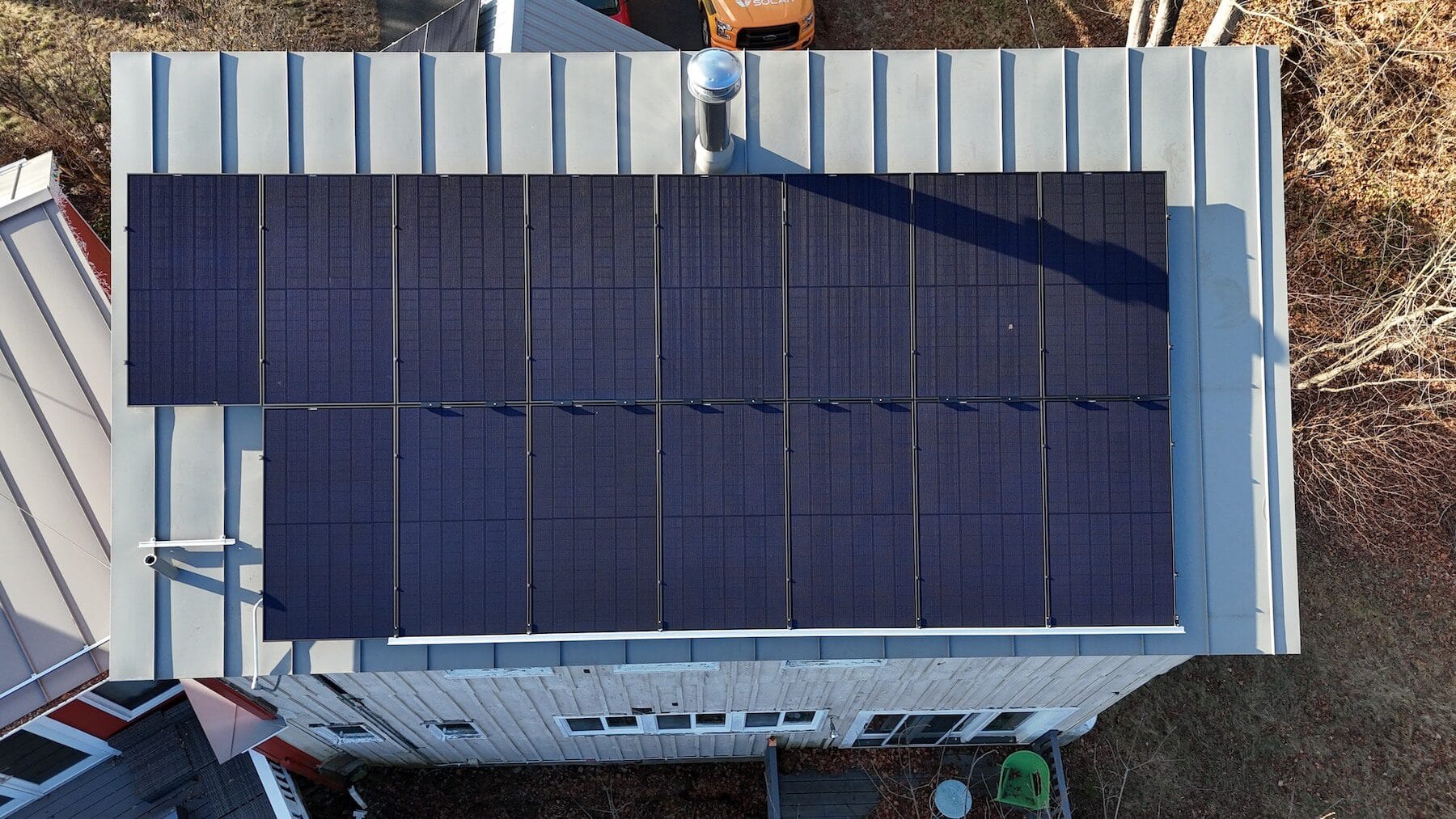
Valley Solar designed a customized Tesla Powerwall 3 system paired with 19 REC 430AA Pure 2 panels, optimized for two different metal roof types. The project required close coordination with the homeowner’s siding work and careful planning for equipment placement and conduit runs.
Problems Faced
-
Two roof types — Standing seam and trapezoidal metal required mixed mounting hardware.
-
Two utility meters — Separate services for the main home and apartment required clear interconnection planning.
-
Siding renovations — The homeowner’s future siding project meant the meters needed relocation.
-
Existing snowguards — Prevented full array installation until removal.
Solutions
-
Dual mounting system — Used S-5-E clamps for standing seam and S-5 Protea Brackets for trapezoidal panels.
-
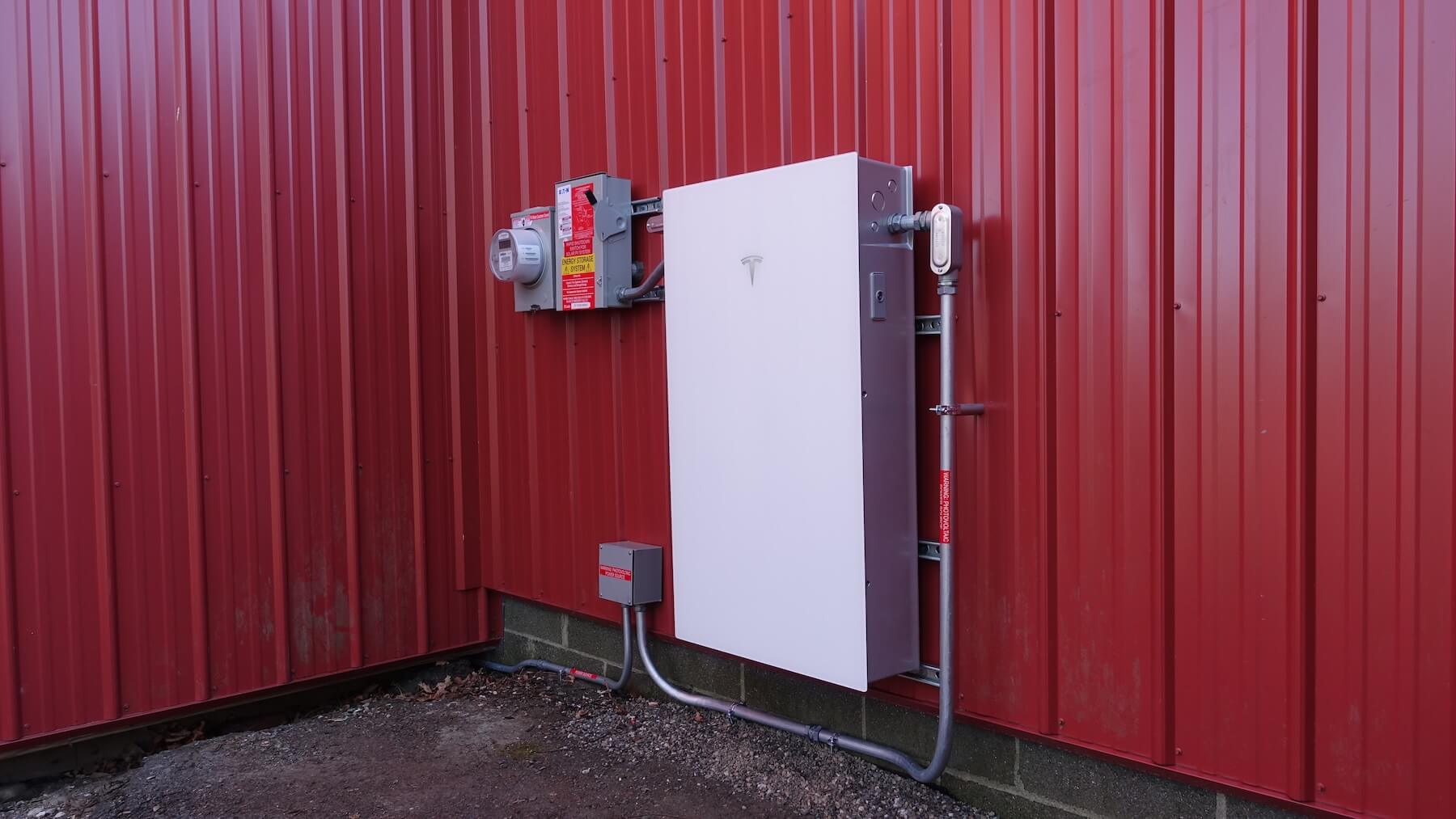
Tesla Powerwall 3 Integration — Combined inverter and battery in one sleek unit for compact installation and simplified backup.
-
Meter relocation coordination — Meters moved to the west wall in alignment with the homeowner’s siding project.
-
Conduit routing and equipment placement — All equipment grouped near relocated meters for easy service and minimal visual impact.
-
EV Charging — Installed a Tesla Universal Wall Connector with a 50A breaker for efficient vehicle charging.
System Size
6.88 kW DC
Est. Year 1 Production
6,726 kWh
Storage Capacity
13.5 kWh
Impact
This Amherst home now operates as a self-sustaining energy hub — clean, efficient, and fully backed up during outages.
-
Energy Savings — At $0.34 per kWh, the system saves about $2,287 per year on electricity.
-
Sustainability — Offsets roughly 2.8 metric tons of CO₂ annually, equivalent to avoiding nearly 7,000 miles of car emissions.
-
Resilience — Whole-home backup keeps comfort systems and appliances running during New England storms.
-
Future-Ready — Integrated EV charging and smart energy storage prepare the home for growing energy needs.
Est. Yearly Savings
$2,287 ($0.34/kWh)
CO₂ Offset
2.8 metric tons