Sustainable Farming Project in Franklin County, Ma
Project Overview
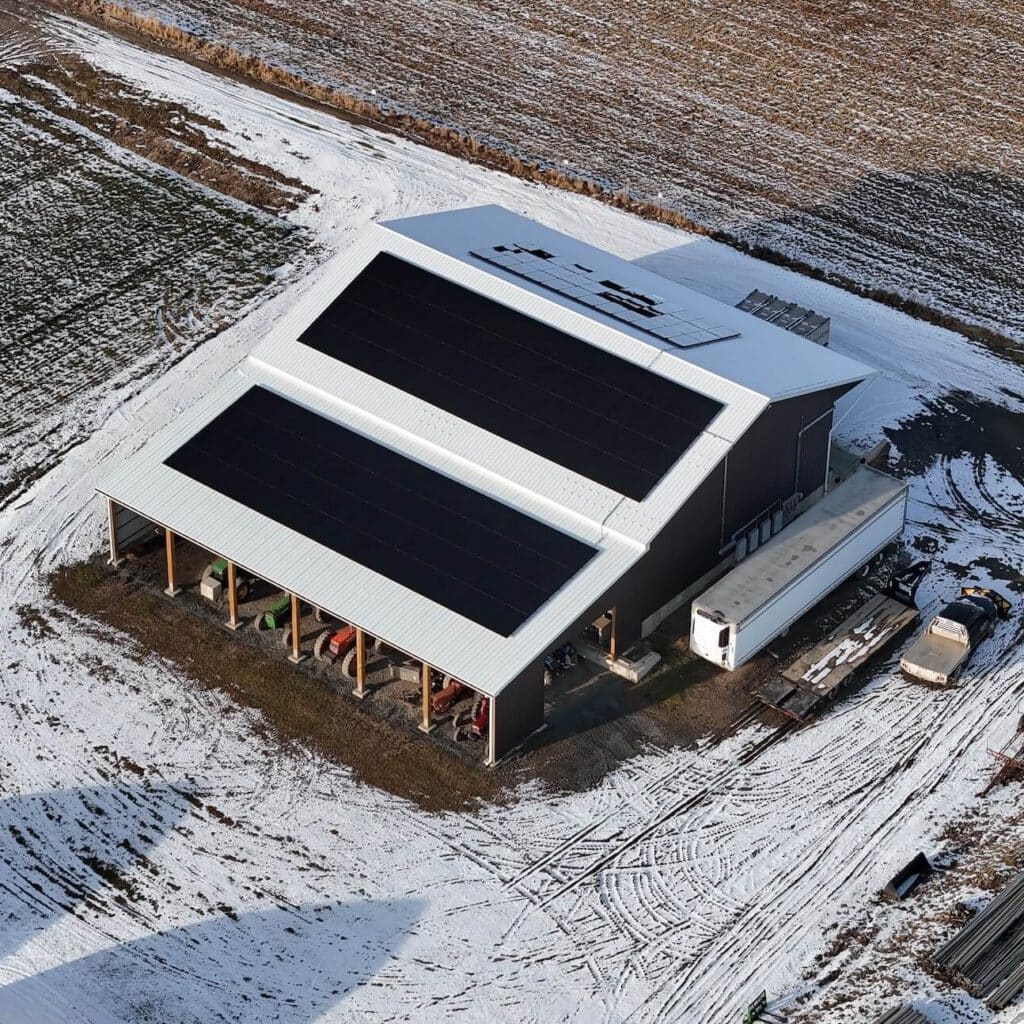
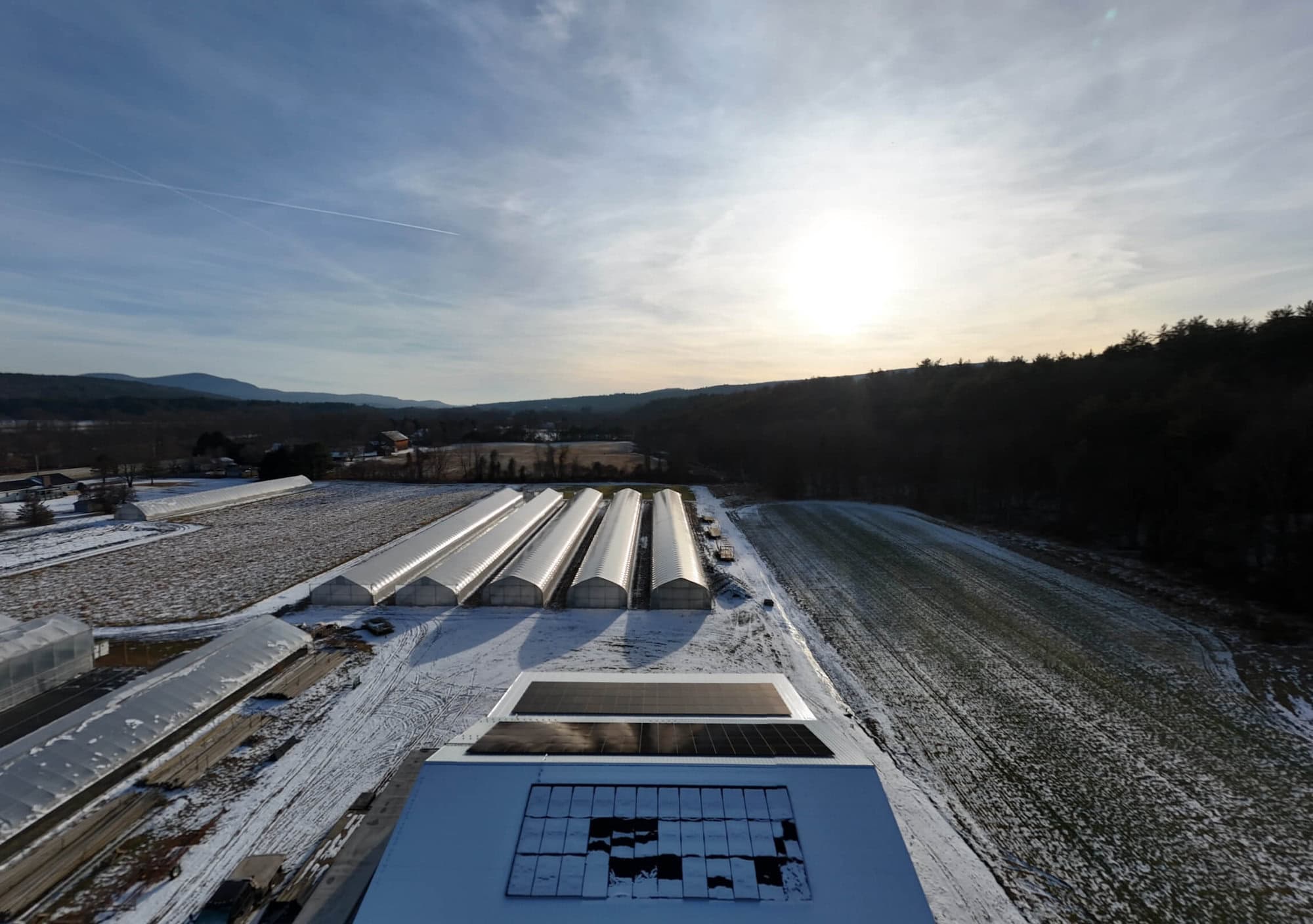
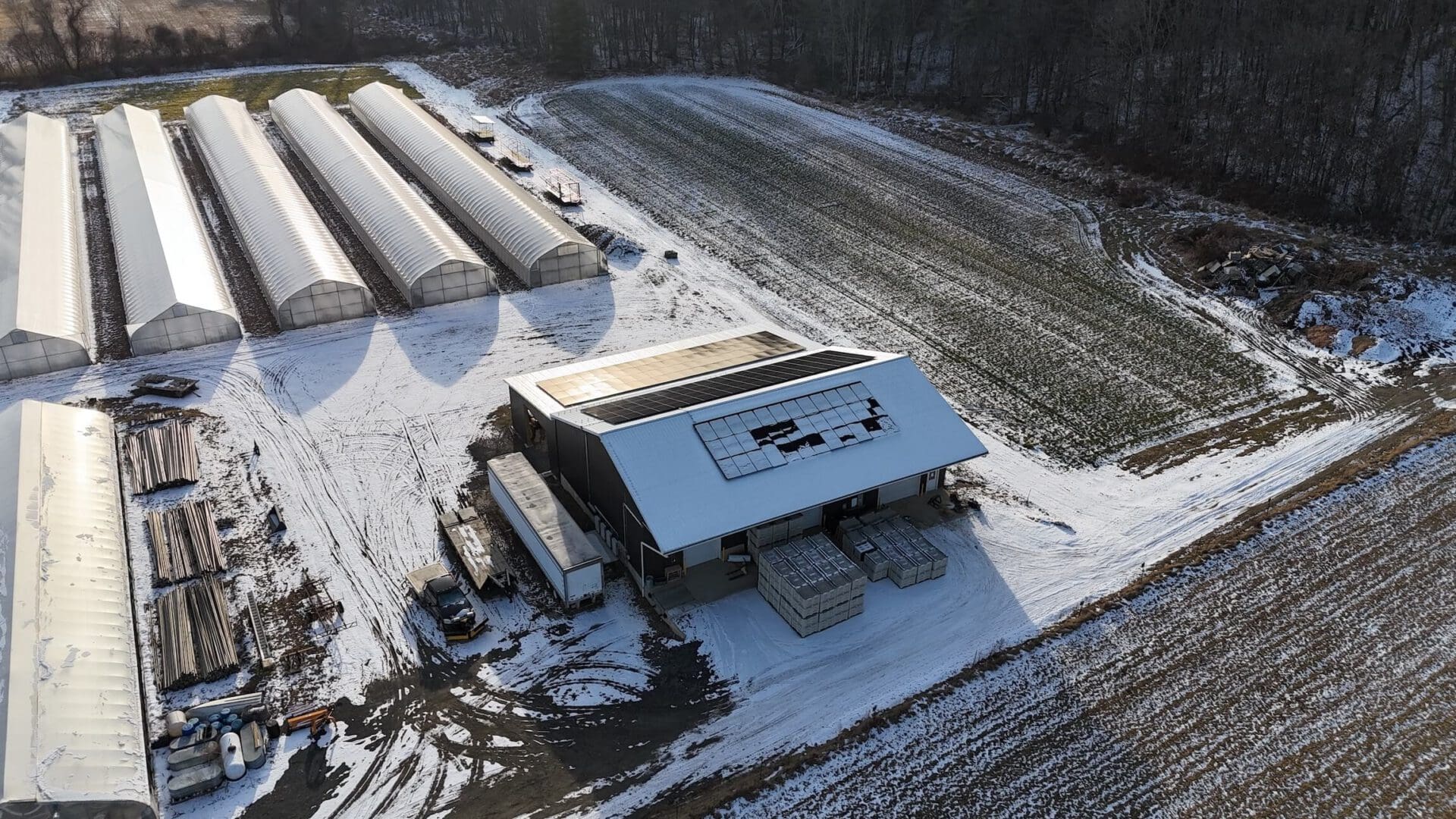
Atlas Farm is an organic farm in Deerfield, MA, recognized for its commitment to sustainable agriculture and supplying fresh produce across Western Massachusetts. The farm relies heavily on electricity to power refrigeration, processing, and daily operations — making energy reliability a critical need.


Atlas Farm's Goals
Gideon Porth, Owner of Atlas Farm, needed a way to keep operations secure during power outages. The farm’s livelihood depends on reliable electricity to safeguard crops, refrigeration, and processing equipment.
Power Security
Outages posed a serious risk for Atlas Farm’s refrigeration and critical operations.
Lower Long-Term Electrical Costs
Atlas Farm aimed to reduce electricity costs and gain control over future expenses.
Sustainable Farming
As a certified organic farm, Atlas Farm sought energy solutions that matched its environmental values.
Work with a Trusted Local Installer
Atlas Farm wanted a responsive, local team that could deliver a custom installation and ongoing support.
Valley Solar Solution
This project presented unique engineering challenges — and creative solutions.
Problems Faced
-
Distance to Grid Connection
The solar array was over 250 feet from the service and metering equipment. Trenching this distance would have greatly increased project costs and created technical challenges for monitoring and tying into the grid. -
Multiple Buildings with Backup Needs
Atlas Farm wanted to keep refrigeration, processing, and greenhouse facilities powered during outages. The site had a complex electrical setup that made it difficult to provide seamless backup across different buildings. -
Utility Size Limitations
Although the farm’s energy needs were high, the utility imposed strict AC size caps on the PV system. This meant the system couldn’t be designed as large as the farm ideally required. -
Future Growth Needs
Atlas Farm needed a system that could meet today’s demands while also being ready for future expansion.
Solutions
-
Avoiding Costly Trenching
Valley Solar used existing conduits and reconfigured a sub-panel at the array location, eliminating the need for expensive trenching and keeping project costs significantly lower. -
Creative Electrical Integration
Our team designed a solution that integrated with the farm’s existing electrical infrastructure, avoiding the need for capital-intensive upgrades while ensuring reliable performance. -
Flexible Backup Strategy
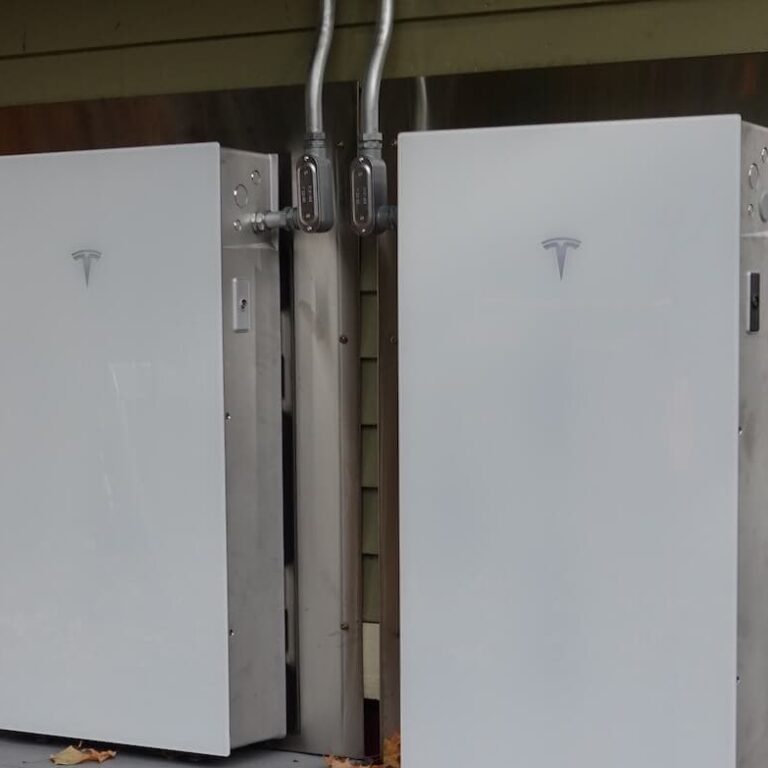
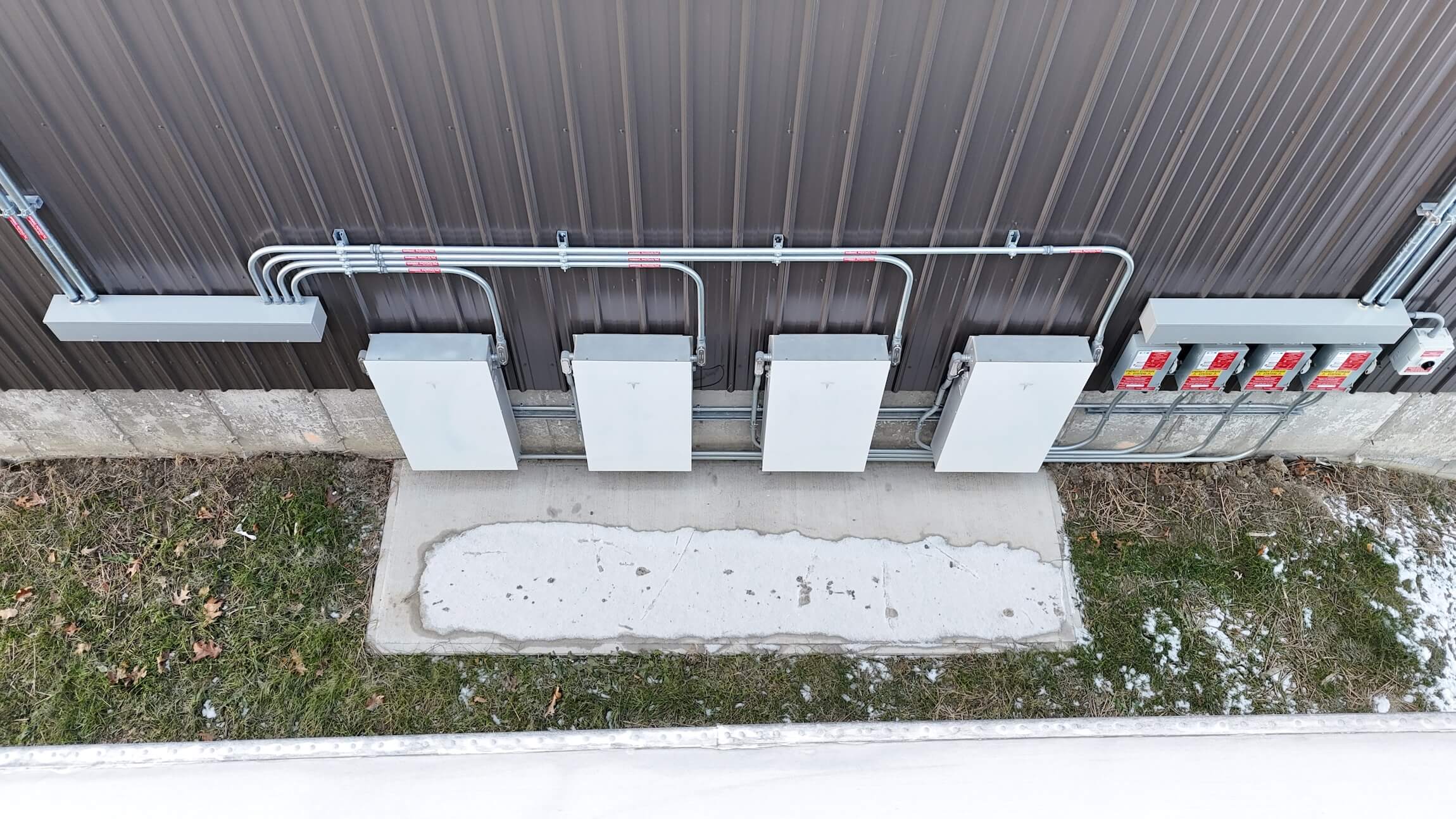
We installed both a Tesla Backup Gateway 3 (automatic transfer switch) and a Manual Transfer Switch, giving Atlas Farm the ability to back up multiple buildings with flexibility during outages. -
Maximizing System Efficiency
Valley Solar deployed multiple Tesla Powerwall 3s to capture excess daytime production and discharge it overnight. This approach allowed for a larger solar array within utility AC limits, while covering more of the farm’s loads. -
Future-Proof Design
The system was built ready for Tesla DC Expansion packs, which could expand storage from 54 kWh to 216 kWh in the future without major redesigns.
System Size
79.9 kW DC
Est. Annual Production
77,000 kWh
Storage Capacity
54 kWh
Impact
By producing approximately 77,000 kWh annually, Atlas Farm now offsets nearly 100% of its electricity usage, eliminating a $16,000 per year utility expense and locking in long-term energy stability.
Valley Solar also delivered a flexible backup solution that met the farm’s energy goals despite building space constraints and utility-imposed AC size limitations. In the first few months of operation, the farm experienced multiple utility outages — and the system provided seamless backup power every time, keeping refrigeration, processing, and greenhouse operations secure.
The new battery system ensures continuous operation through outages without the noise, emissions, or maintenance of gas generators. With no fuel costs, no mechanical upkeep, and no risk of startup failure, Atlas Farm now enjoys full energy resilience powered entirely by the sun.
Est. Yearly Savings
$16,000 ($0.21/kWh)
CO₂ Offset
20 metric tons